The Living Shoreline Project aims to restore a public property to a more natural state by establishing a designated area where native plants can grow naturally. In the long term, this restoration will help reduce shoreline erosion and contribute to the protection of biodiversity.
As part of this project, a safe and public water access ramp has been installed to allow citizens to safely enjoy water-based activities while respecting the natural environment. The site also includes parking and will eventually have a trail leading to the water.
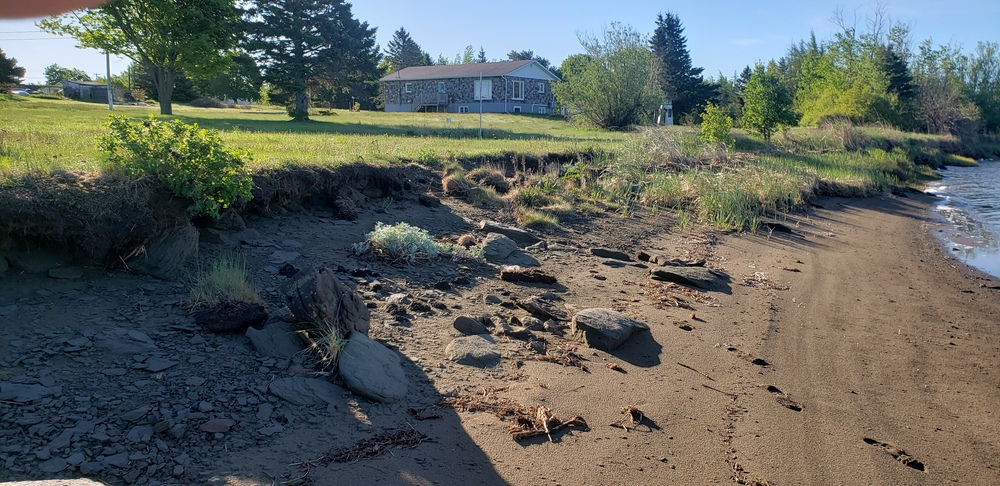
Here is a photo of the Living Shoreline Project site.
Project Progress
Phase 1 – Establishment of an unmowed area (Completed in summer 2026)
The first phase involved stopping the mowing of a portion of the property to allow native plants to naturally reclaim the area. This intervention, which is the foundation of the site’s restoration, will help reduce shoreline erosion and restore a more natural appearance to the site. It will also improve rainwater infiltration into the soil, reducing runoff.
During this first step, a trail was also designated to allow visitors to access the water while reducing foot traffic in other areas of the site. This helps prevent soil compaction, which can accelerate erosion.
Phase 2 – Installation of an access ramp (In progress)
An access ramp will be installed at the end of the trail to provide safer access to the water. By directing visitors toward a designated access point, this infrastructure will also help protect biodiversity and natural habitats.
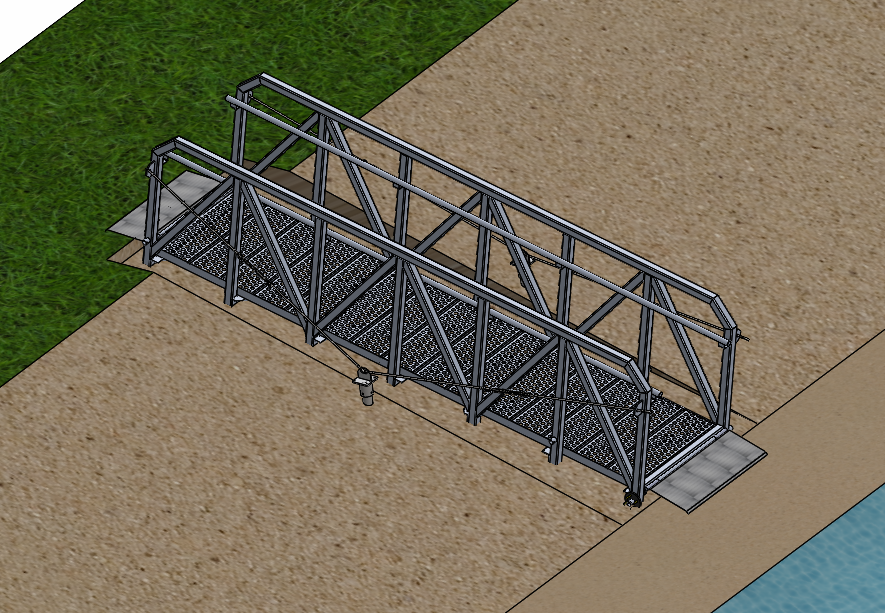
Here is the ramp design plan.
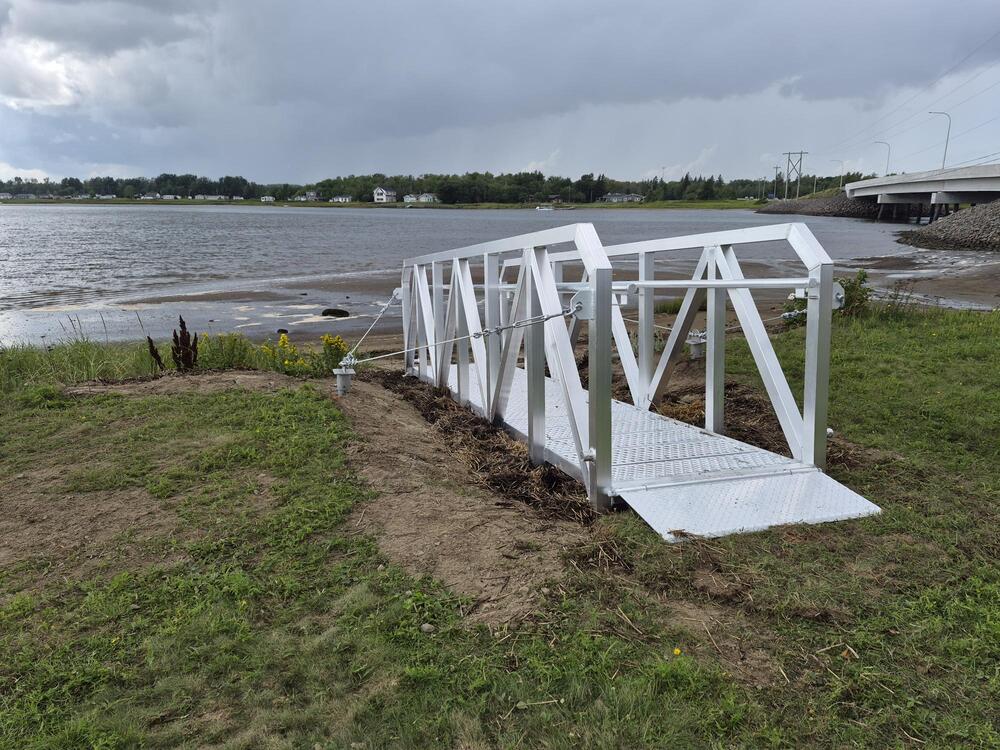
Staw and dried seaweed has been put under the ramp to limit erosion.
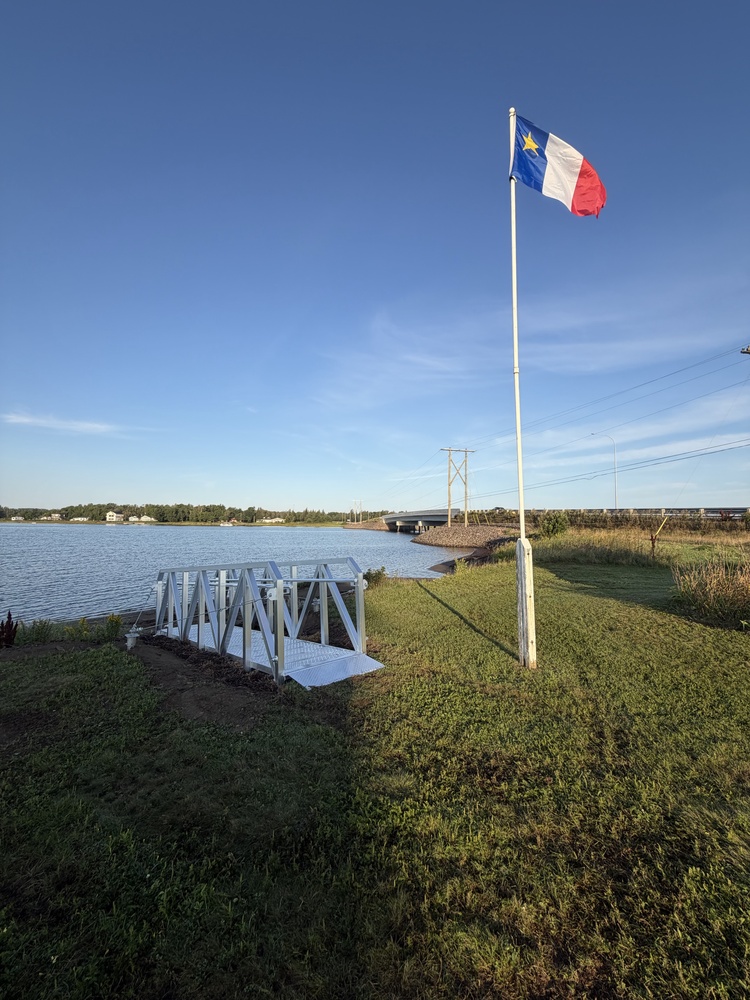
The ramp installation was completed in August 2026.
Phase 3 : Monitoring of the site
Site improvements are planned for this fall using the living shoreline approach, which involves specialized techniques and promotes the use of biodegradable materials.
The project will continue with measures aimed at ensuring the long-term sustainability of the site and the success of the project. Each year, follow-up monitoring will be carried out to assess the condition and effectiveness of the shoreline improvements and make any necessary adjustments.
These interventions will include, among others:
In the fall: Preparing the site for the winter season.
During the winter: Monitoring the infrastructure and reinforcing it, if necessary.
In the spring: An inspection visit to assess the condition of the site, carry out any necessary repairs, and add native plants.
This site will provide a great opportunity to showcase the living shoreline approach and highlight its benefits.