A Mi’kmaq Homeland
The Regional Town of Cap-Acadie acknowledges that it operates on the traditional, unceded territory of the Mi’kmaq People. The land we live on today still proudly bears the marks of the First Peoples’ presence. Place names like Aboujagane, Tedish, Kouchigougouac, Chimougoui, and many others reflect the enduring Mi’kmaq heritage. These toponyms remind us of the deep connections between land, history, and Indigenous traditions that have shaped our way of life.
Early Acadian Roots
The name Beaubassin dates back to an Acadian settlement founded in 1672. When British troops arrived in 1755, the villagers chose to burn their homes rather than see them fall into enemy hands. That determination and courage still define the spirit of our community today.
The parish of Barachois, established in 1789, once covered a vast area including Cap-Pelé, Tedish, and surrounding regions. Father Bédard built a small chapel on Chemin Paturel. In 1826, the first church was constructed there with the support of several nearby communities.
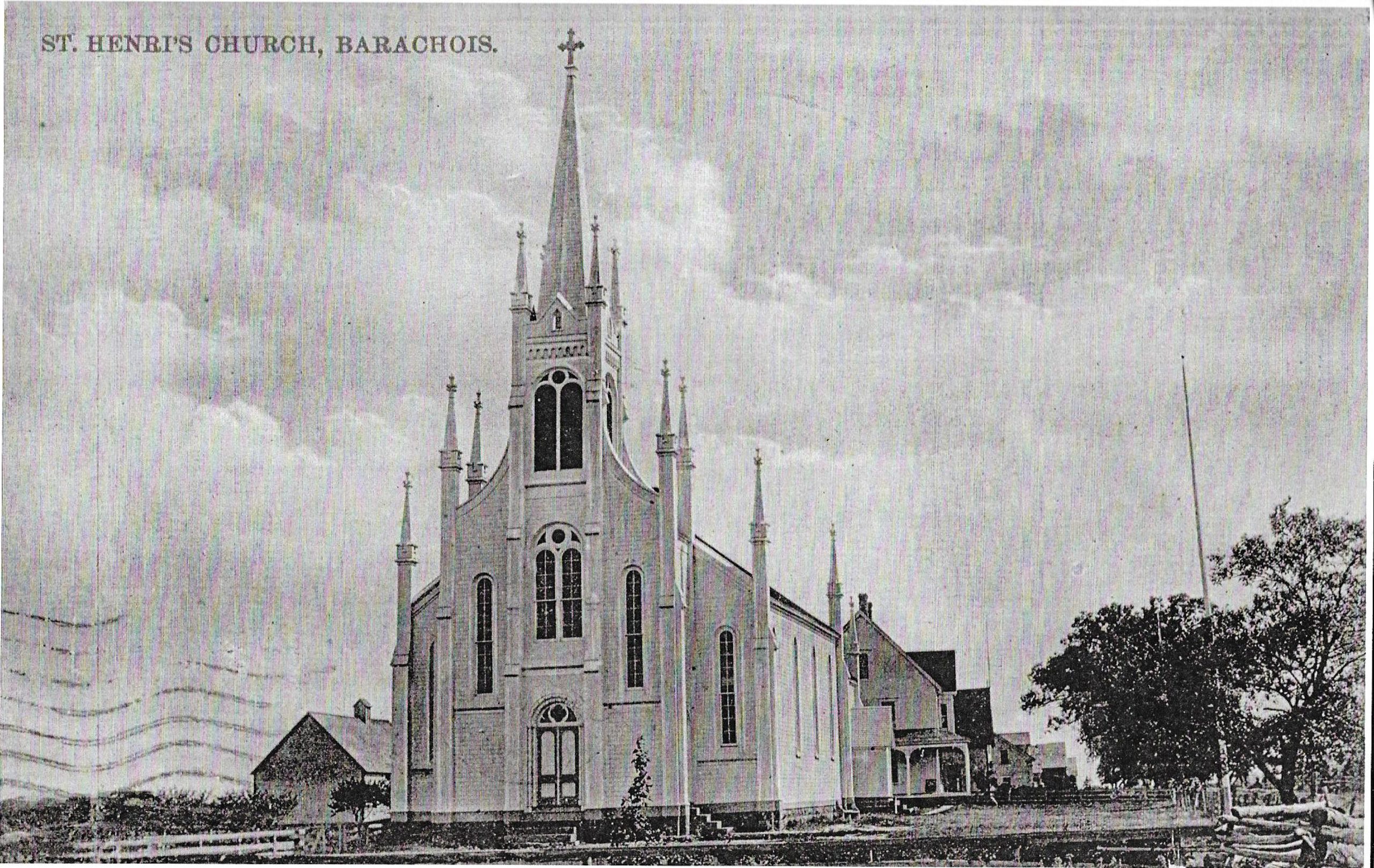
A Region Built on Land and Sea At that time, our region’s economy was primarily based on agriculture, fishing, and the forestry industry. These activities, deeply rooted in our daily lives, formed the foundations of our economic and social development. From these strong roots, our community gradually grew into what it is today.
Development Anchored in Tradition
Boat building, traditional trades like net making, sewing, and Acadian cooking were part of everyday life. Over time, new businesses, professions, and industries emerged, slowly transforming the region into a vibrant and forward-looking community. This growth didn’t happen overnight, but rather with perseverance and purpose.
The Rise of a Collective Identity
In 1881, during the first National Acadian Convention in Memramcook, people from our region came to realize they were part of a growing Acadian nation. In 1961, the founding of the Cap-Pelé branch of the Royal Canadian Legion — which included the parishes of Barachois, Haute-Aboujagane, Cap-Pelé, and Shemogue — marked the first organization uniting residents from all four parishes.
The Village of Cap-Pelé
The Village of Cap-Pelé became an incorporated municipality in 1969. Located on Canada’s east coast, Cap-Pelé has the look and spirit of a traditional fishing village, with a strong maritime heritage and a lifestyle centred on the sea.
The Smokehouses
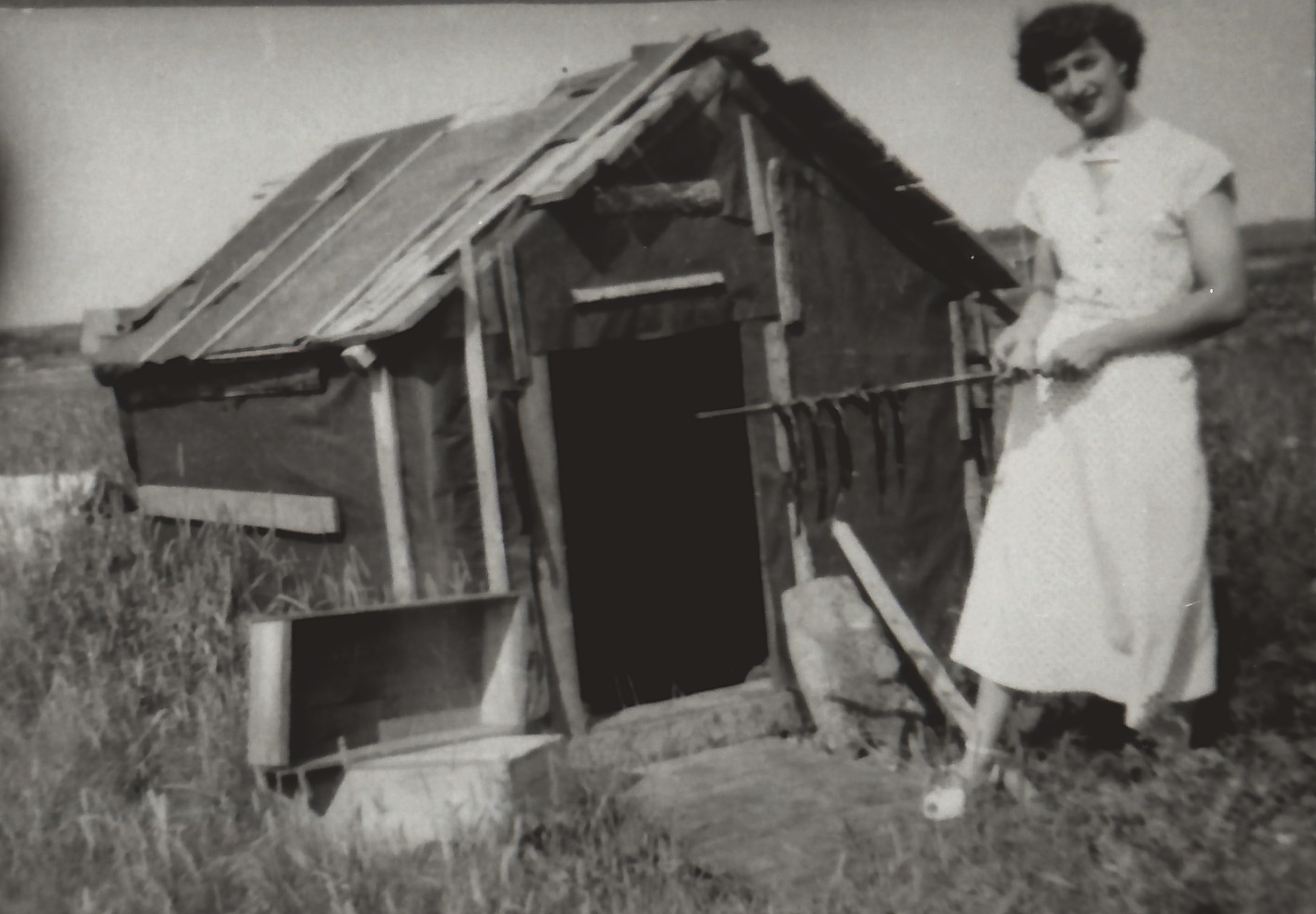
In the 1960s, nearly thirty smokehouses for herring were operating at full capacity, making the region a national leader in the industry. Even today, 95% of Canada’s smoked herring comes from our area.
Moving Toward a Regional Town
In 1994, the Cap-Pelé Chamber of Commerce was founded, with equal membership from Cap-Pelé and Beaubassin East. It officially became the Cap-Pelé/Beaubassin East Chamber of Commerce in 2006. Around the same time, the CUTER Report highlighted the need to better equip rural regions. This led to the creation of the municipality of Beaubassin East in 2006, uniting nine localities — including Boudreau-Ouest, Grand-Barachois, Haute-Aboujagane, Cormier-Village, Saint-André-LeBlanc, Trois-Ruisseaux, Shemogue, Petit-Cap, and Portage — into one organized municipal entity.
Then, on January 1st, 2023, a new chapter of our history was written: the municipal reform brought together Cap-Pelé and Beaubassin East to form the Regional Town of Cap-Acadie — a name proposed by local students and chosen with input from community leaders.
